Biology is designed for multi-semester biology courses for science majors. It is …
Biology is designed for multi-semester biology courses for science majors. It is grounded on an evolutionary basis and includes exciting features that highlight careers in the biological sciences and everyday applications of the concepts at hand. To meet the needs of today’s instructors and students, some content has been strategically condensed while maintaining the overall scope and coverage of traditional texts for this course. Instructors can customize the book, adapting it to the approach that works best in their classroom. Biology also includes an innovative art program that incorporates critical thinking and clicker questions to help students understand—and apply—key concepts.
By the end of this section, you will be able to:List and …
By the end of this section, you will be able to:List and describe the functions of the structural components of a neuronList and describe the four main types of neuronsCompare the functions of different types of glial cells
What does the brain look like? As engineers, how can we look …
What does the brain look like? As engineers, how can we look at neural networks without invasive surgery? In this activity, students design and build neuron models based on observations made while viewing neurons through a microscope. The models are used to explain how each structure of the neuron contributes to the overall function. Students share their models with younger students and explain what a neuron is, its function, and how engineers use their understanding of the neuron to make devices to activate neurons.
By the end of this section, you will be able to:Distinguish between …
By the end of this section, you will be able to:Distinguish between the two major cell types of the nervous system, neurons and gliaIdentify the basic parts of a neuron
This course serves as an introduction to the structure and function of …
This course serves as an introduction to the structure and function of the nervous system. Emphasis is placed on the cellular properties of neurons and other excitable cells. Topics covered include the structure and biophysical properties of excitable cells, synaptic transmission, neurochemistry, neurodevelopment, and the integration of information in simple systems and the visual system.
This resource is a video abstract of a research paper created by …
This resource is a video abstract of a research paper created by Research Square on behalf of its authors. It provides a synopsis that's easy to understand, and can be used to introduce the topics it covers to students, researchers, and the general public. The video's transcript is also provided in full, with a portion provided below for preview:
"Of the twelve cranial nerves that pass through the skull, the facial nerve is most susceptible to traumatic injury and paralysis. One technique for repairing such damage is polyethylene glycol-mediated cell fusion – or PEG-fusion – but this hasn’t been tested on facial nerves. Moreover, when looking at other nerve types, it’s only been applied immediately after injury. This doesn’t reflect real-world clinical practice, where nerve damage may not be addressed for days as life-saving interventions are prioritized. Now, researchers have applied PEG-fusion to facial nerves using a more clinically relevant timeline, and the results suggest that nerve regeneration is possible even when treatment is delayed. PEG-fusion helps restore the protective boundary of a nerve cell’s plasma membrane by plugging the holes caused by traumatic injury, which can seal the cell off from potentially toxic substances. But it hasn’t been clear whether delayed treatment can still help cells heal..."
The rest of the transcript, along with a link to the research itself, is available on the resource itself.
This course considers molecular control of neural specification, formation of neuronal connections, …
This course considers molecular control of neural specification, formation of neuronal connections, construction of neural systems, and the contributions of experience to shaping brain structure and function. Topics include: neural induction and pattern formation, cell lineage and fate determination, neuronal migration, axon guidance, synapse formation and stabilization, activity-dependent development and critical periods, development of behavior.
In this lesson on the brain's neural networks, students investigate the structure …
In this lesson on the brain's neural networks, students investigate the structure and function of the neuron. They discover ways in which engineers apply this knowledge to the development of devices that can activate neurons. After a review of the nervous system specifically its organs, tissue, and specialized cells, called neurons students learn about the parts of the neuron. They explore the cell body, dendrites, axon and axon terminal, and learn how these structures enable neurons to send messages. They learn about the connections between engineering and other fields of study, and the importance of research, as they complete the lesson tasks.
This lesson describes the function and components of the human nervous system. …
This lesson describes the function and components of the human nervous system. It helps students understand the purpose of our brain, spinal cord, nerves and the five senses. How the nervous system is affected during spaceflight is also discussed in this lesson.
This resource provides a set of narrated animations demonstrating the normal and …
This resource provides a set of narrated animations demonstrating the normal and toxic actions within the axon and/or synapse of neurons. A brief overview of the neuron structure and neuron-to-neuron communication is presented first. Next, axon normal functions and synapse normal functions are presented in small segments. Each set of normal functions are followed by the associated toxic actions (pyrethroid toxicity of the axon, organophosphate toxicity and neonicotinoid toxicity of the synapse, and DDT toxicity occurring in both the axon and the synapse). The interface allows the user to compare and contrast the normal functions with those with toxic actions.
Psychology is designed to meet scope and sequence requirements for the single-semester …
Psychology is designed to meet scope and sequence requirements for the single-semester introduction to psychology course. The book offers a comprehensive treatment of core concepts, grounded in both classic studies and current and emerging research. The text also includes coverage of the DSM-5 in examinations of psychological disorders. Psychology incorporates discussions that reflect the diversity within the discipline, as well as the diversity of cultures and communities across the globe.Senior Contributing AuthorsRose M. Spielman, Formerly of Quinnipiac UniversityContributing AuthorsKathryn Dumper, Bainbridge State CollegeWilliam Jenkins, Mercer UniversityArlene Lacombe, Saint Joseph's UniversityMarilyn Lovett, Livingstone CollegeMarion Perlmutter, University of Michigan
By the end of this section, you will be able to:Identify the …
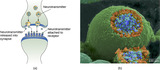
By the end of this section, you will be able to:Identify the basic parts of a neuronDescribe how neurons communicate with each otherExplain how drugs act as agonists or antagonists for a given neurotransmitter system
This resource is a video abstract of a research paper created by …
This resource is a video abstract of a research paper created by Research Square on behalf of its authors. It provides a synopsis that's easy to understand, and can be used to introduce the topics it covers to students, researchers, and the general public. The video's transcript is also provided in full, with a portion provided below for preview:
"Researchers have zeroed in on the neural structures most vulnerable to Zika virus. Given the devastating neurological effects linked to the virus, their findings could go a long way toward explaining how Zika first takes hold of its host—namely, the developing human fetus. In their study, published in the journal _Acta Neuropathologica Communications_, the researchers infected different types of neural cells extracted from mouse embryos. Because it was unclear which part of the nervous system Zika is most likely to attack, they collected cells from both the central nervous system and the peripheral nervous system, a catch-all for nerves lying beyond the brain and spinal cord. And to help ensure they could see the virus in action, for each normal cell they gathered, they also gathered a less defensive one deliberately lacking a virus-fighting immune response. After a few days, some cells had clearly fared better than others..."
The rest of the transcript, along with a link to the research itself, is available on the resource itself.
No restrictions on your remixing, redistributing, or making derivative works. Give credit to the author, as required.
Your remixing, redistributing, or making derivatives works comes with some restrictions, including how it is shared.
Your redistributing comes with some restrictions. Do not remix or make derivative works.
Most restrictive license type. Prohibits most uses, sharing, and any changes.
Copyrighted materials, available under Fair Use and the TEACH Act for US-based educators, or other custom arrangements. Go to the resource provider to see their individual restrictions.