This collection uses primary sources to explore the Atomic Bomb and the …
This collection uses primary sources to explore the Atomic Bomb and the Nuclear Age it started. Digital Public Library of America Primary Source Sets are designed to help students develop their critical thinking skills and draw diverse material from libraries, archives, and museums across the United States. Each set includes an overview, ten to fifteen primary sources, links to related resources, and a teaching guide. These sets were created and reviewed by the teachers on the DPLA's Education Advisory Committee.
This seminar examines the history and legacy of the Cold War on …
This seminar examines the history and legacy of the Cold War on American science. It explores scientist's new political roles after World War II, ranging from elite policy makers in the nuclear age to victims of domestic anti Communism. It also examines the changing institutions in which the physical sciences and social sciences were conducted during the postwar decades, investigating possible epistemic effects on forms of knowledge. The subject closes by considering the place of science in the post-Cold War era.
Students will research how the development of the atomic bomb affected people …
Students will research how the development of the atomic bomb affected people in World War II, participate in a debate about the bomb's use, and investigate how it has affected people's lives since 1945.
This course will explore how Americans have confronted energy challenges since the …
This course will explore how Americans have confronted energy challenges since the end of World War II. Beginning in the 1970s, Americans worried about the supply of energy. As American production of oil declined, would the US be able to secure enough fuel to sustain their high consumption lifestyles? At the same time, Americans also began to fear the environmental side affects of energy use. Even if the US had enough fossil fuel, would its consumption be detrimental to health and safety? This class examines how Americans thought about these questions in the last half-century. We will consider the political, diplomatic, economic, cultural, and technological aspects of the energy crisis. Topics include nuclear power, suburbanization and the new car culture, the environmental movement and the challenges of clean energy, the Middle East and supply of oil, the energy crisis of the 1970s, and global warming.
This course will explore how Americans have confronted energy challenges since the …
This course will explore how Americans have confronted energy challenges since the end of World War II. Beginning in the 1970s, Americans worried about the supply of energy. As American production of oil declined, would the US be able to secure enough fuel to sustain their high consumption lifestyles? At the same time, Americans also began to fear the environmental side affects of energy use. Even if the US had enough fossil fuel, would its consumption be detrimental to health and safety? This class examines how Americans thought about these questions in the last half-century. We will consider the political, diplomatic, economic, cultural, and technological aspects of the energy crisis. Topics include nuclear power, suburbanization and the new car culture, the environmental movement and the challenges of clean energy, the Middle East and supply of oil, the energy crisis of the 1970s, and global warming.
Once the pride of the German Navy, this 700 foot long heavy …
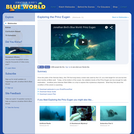
Once the pride of the German Navy, this 700 foot long heavy cruiser was used by the U.S. as a test target for not one but two atom bombs at Bikini atoll. Today, at the bottom of the ocean, the radiation levels of the Prinz Eugen are low enough for safe exploration. In this video, Jonathan joins historian Mark Miller on a trip to explore this mysterious shipwreck. What they find about the condition of this wreck is surprising. Please see the accompanying lesson plan for educational objectives, discussion points and classroom activities.
This kit provides teachers, college faculty and other educators with the materials …
This kit provides teachers, college faculty and other educators with the materials needed to engage students in a dynamic and constructivist process of learning how antiwar movements have been perceived by the people in the United States and how the U.S. media has constructed that public perception. The subject areas covered include U.S. history, African-American studies, labor studies, Latino studies, media studies, Native American studies, peace studies, sociology and women_ÎŁ_ studies among many others.
Allow your students to relive December 7, 1941 and react to the …
Allow your students to relive December 7, 1941 and react to the attack on Pearl Harbor. They will hear first hand accounts from survivors and experience what it was like to be there that day. Further, let them shape their own opinions about the roles Japan and the United States played in the war, and empathize with those left in the atomic aftermath.
The New Deal and World War II unit features lessons ranging from …
The New Deal and World War II unit features lessons ranging from Social Security to the dropping of the atomic bomb. It includes a Structured Academic Controversy examining whether the New Deal was a success, and an Inquiry into Japanese-Americans internment during the war. In the Social Security lesson plan, students evaluate historical claims and examine primary documents from the period. Students explore causes of the Zoot Suit Riots in California, and take part in a structured role-play where groups are asked to choose an image that commemorates the bombings of Hiroshima and Nagasaki.
U.S. History is designed to meet the scope and sequence requirements of …
U.S. History is designed to meet the scope and sequence requirements of most introductory courses. The text provides a balanced approach to U.S. history, considering the people, events, and ideas that have shaped the United States from both the top down (politics, economics, diplomacy) and bottom up (eyewitness accounts, lived experience). U.S. History covers key forces that form the American experience, with particular attention to issues of race, class, and gender.Senior Contributing AuthorsP. Scott Corbett, Ventura CollegeVolker Janssen, California State University, FullertonJohn M. Lund, Keene State CollegeTodd Pfannestiel, Clarion UniversityPaul Vickery, Oral Roberts UniversitySylvie Waskiewicz
U.S. History is designed for a two-semester American history sequence. It is …
U.S. History is designed for a two-semester American history sequence. It is traditional in coverage, following a roughly chronological outline, and using a balanced approach that includes political, economic, social, and cultural developments. At the same time, the book includes a number of innovative and interactive features designed to enhance student learning. Instructors can also customize the book, adapting it to the approach that works best in their classroom.
This IDM inquiry leads students through an investigation of the decision by …
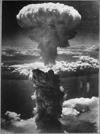
This IDM inquiry leads students through an investigation of the decision by the United States to use atomic weapons on Japan at the end of World War II.
The compelling question “Was the Dropping of Atomic Weapons on Japan an Appropriate Use of Force?” asks students to identify and weigh evidence from multiple primary and secondary sources supplied as well as others found by the student.
No restrictions on your remixing, redistributing, or making derivative works. Give credit to the author, as required.
Your remixing, redistributing, or making derivatives works comes with some restrictions, including how it is shared.
Your redistributing comes with some restrictions. Do not remix or make derivative works.
Most restrictive license type. Prohibits most uses, sharing, and any changes.
Copyrighted materials, available under Fair Use and the TEACH Act for US-based educators, or other custom arrangements. Go to the resource provider to see their individual restrictions.