Anabolic steroids are artificial versions of a hormone that's in all of us -- testosterone. Some people take anabolic steroid pills or injections to try to build muscle faster. But these steroids also have other effects. They can cause changes in the brain and body that increase risks for illness and they may affect moods.
Try this activity to get the brain going and the discussion flowing. In this activity, first present the students with a list to memorize (on whiteboard or flip chart). Tell the students they have 1 minute only to memorize the list. Then, after 1 minute, take the list away. Have the students write down as many as they can remember. Have them call them out and write them on the board. Ask them how many they got correct. Use this activity as a lead-in to the discussion that follows about the brain and addiction.
Cocaine is made from the leaf of the coca plant. It often comes in the form of a white powder that some people inhale through their nose. Another form of cocaine, known as crack, can be smoked. Cocaine changes the way the brain works by changing the way nerve cells communicate.
Hallucinogens powerfully affect the brain, distorting the way our five senses work and changing our impressions of time and space. When people use these drugs a lot they may have a hard time concentrating, communicating, or telling the difference between reality and illusion.
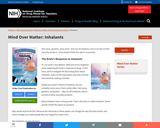
Maybe you haven't heard of inhalants, but you probably come across them pretty often. Hair spray, gasoline, spray paint -- they are all inhalants, and so are lots of other everyday products. Many inhalants have a strong smell. That's why they're called inhalants: Some people inhale the vapors on purpose. Why would anyone do this? Because the chemicals in these vapors can change the way the brain works, and those changes can make people feel very happy for a short time. But inhalants can also do harm.
You may have heard it called pot, weed, grass, ganja or skunk, but marijuana by any other name is still a drug that affects the brain. Did you know marijuana can cause some people to lose focus on events around them? It makes others more aware of their physical sensations, and it has still more effects on other people. All these different changes are caused by chemicals that affect the brain. More than 400 chemicals are in the average marijuana plant. When smoked, heat produces even more of them!
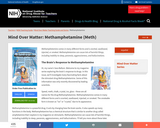
Methamphetamine is a powerful drug. It acts by changing how the brain works. It also speeds up many functions in the body. Methamphetamine has a chemical structure that is similar to another drug called amphetamine that I explore in my magazine on stimulants. Methamphetamine can cause lots of harmful things, including inability to sleep, paranoia, aggressiveness, and hallucinations.
Opiates are made from opium, which comes from the poppy plant. They can have important medical benefitsŃthey're powerful painkillers, they are sometimes prescribed to control severe diarrhea, and they can also be found in cough medicine. Maybe you've heard of drugs called Vicodin, morphine or codeine. These are examples of opiates. When used properly for medical purposes, they can be very helpful. Opiates used without a doctor's prescription or in ways other than how they are prescribed, can be dangerous and addictive.
Doctors decide how much of a drug to give a person based on that personŐs age, size, and medical history. By doing so, doctors oversee the safe and proper use of prescription drugs. Abuse is when someone takes a prescription drug without a doctorŐs prescription or in a way or amount that is different from what was prescribed. Abuse of prescription drugs can have serious and harmful health effects, including poisoning and even death.
Based upon what they've learned about prescription drug abuse, students will complete a web hunt for myths and facts about prescription drugs and take a quiz.
Help your children/students better understand the symptoms and consequences of stimulant abuse by having them fill in the missing blanks of this diagnostic report.
The "Mind Over Matter" series includes eight colorful, glossy magazines, each of which is devoted to a specific drug or drug group; including stimulants, hallucinogens, inhalants, marijuana, opiates, Tobacco Addiction, Methamphetamine, and steroids. Each of the magazines describes the effects of specific drugs or drug types on the anatomy and physiology of the brain and the body. These educational materials further elaborate on the way in which these drug-induced changes affect both behaviors and emotions.
When tobacco is smoked, nicotine is absorbed by the lungs and quickly moved into the bloodstream, where it is circulated throughout the brain. All of this happens very rapidly. In fact, nicotine reaches the brain within 8 seconds after someone inhales tobacco smoke. Nicotine can also enter the bloodstream through the mucous membranes that line the mouth (if tobacco is chewed) or nose (if snuff is used), and even through the skin. Nicotine affects the entire body. Nicotine acts directly on the heart to change heart rate and blood pressure. It also acts on the nerves that control respiration to change breathing patterns. In high concentrations, nicotine is deadly, in fact one drop of purified nicotine on the tongue will kill a person. It's so lethal that it has been used as a pesticide for centuries.
No restrictions on your remixing, redistributing, or making derivative works.
Give credit to the author, as required.
Your remixing, redistributing, or making derivatives works comes with some
restrictions, including how it is shared.
Your redistributing comes with some restrictions. Do not remix or make
derivative works.
Copyrighted materials, available under Fair Use and the TEACH Act for US-based
educators, or other custom arrangements. Go to the resource provider to see
their individual restrictions.