Biology is designed for multi-semester biology courses for science majors. It is …
Biology is designed for multi-semester biology courses for science majors. It is grounded on an evolutionary basis and includes exciting features that highlight careers in the biological sciences and everyday applications of the concepts at hand. To meet the needs of today’s instructors and students, some content has been strategically condensed while maintaining the overall scope and coverage of traditional texts for this course. Instructors can customize the book, adapting it to the approach that works best in their classroom. Biology also includes an innovative art program that incorporates critical thinking and clicker questions to help students understand—and apply—key concepts.
By the end of this section, you will be able to:Identify new …
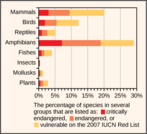
By the end of this section, you will be able to:Identify new technologies for describing biodiversityExplain the legislative framework for conservationDescribe principles and challenges of conservation preserve designIdentify examples of the effects of habitat restorationDiscuss the role of zoos in biodiversity conservation
This course will explore how Americans have confronted energy challenges since the …
This course will explore how Americans have confronted energy challenges since the end of World War II. Beginning in the 1970s, Americans worried about the supply of energy. As American production of oil declined, would the US be able to secure enough fuel to sustain their high consumption lifestyles? At the same time, Americans also began to fear the environmental side affects of energy use. Even if the US had enough fossil fuel, would its consumption be detrimental to health and safety? This class examines how Americans thought about these questions in the last half-century. We will consider the political, diplomatic, economic, cultural, and technological aspects of the energy crisis. Topics include nuclear power, suburbanization and the new car culture, the environmental movement and the challenges of clean energy, the Middle East and supply of oil, the energy crisis of the 1970s, and global warming.
This course will explore how Americans have confronted energy challenges since the …
This course will explore how Americans have confronted energy challenges since the end of World War II. Beginning in the 1970s, Americans worried about the supply of energy. As American production of oil declined, would the US be able to secure enough fuel to sustain their high consumption lifestyles? At the same time, Americans also began to fear the environmental side affects of energy use. Even if the US had enough fossil fuel, would its consumption be detrimental to health and safety? This class examines how Americans thought about these questions in the last half-century. We will consider the political, diplomatic, economic, cultural, and technological aspects of the energy crisis. Topics include nuclear power, suburbanization and the new car culture, the environmental movement and the challenges of clean energy, the Middle East and supply of oil, the energy crisis of the 1970s, and global warming.
This course examines the interconnections of international politics and climate change. Beginning …
This course examines the interconnections of international politics and climate change. Beginning with an analysis of the strategic and environmental legacies of the 20th Century, it explores the politicization of the natural environment, the role of science in this process, and the gradual shifts in political concerns to incorporate "nature". Two general thrusts of climate-politics connections are pursued, namely those related to (a) conflict – focusing on threats to security due to environmental dislocations and (b) cooperation – focusing on the politics of international treaties that have contributed to emergent processes for global accord in response to evidence of climate change. The course concludes by addressing the question of: "What Next?"
This course examines the interconnections of international politics and climate change. Beginning …
This course examines the interconnections of international politics and climate change. Beginning with an analysis of the strategic and environmental legacies of the 20th Century, it explores the politicization of the natural environment, the role of science in this process, and the gradual shifts in political concerns to incorporate "nature". Two general thrusts of climate-politics connections are pursued, namely those related to (a) conflict - focusing on threats to security due to environmental dislocations and (b) cooperation - focusing on the politics of international treaties that have contributed to emergent processes for global accord in response to evidence of climate change. The course concludes by addressing the question of: "What Next?
Lessons teach core knowledge about the science of climate change, explore conflicting …
Lessons teach core knowledge about the science of climate change, explore conflicting views, and integrate critical thinking skills. Students will apply knowledge of climate change to a rigorous analysis of media messages through asking and answering questions about accuracy, currency, credibility, sourcing, and bias. Lessons address basic climate science, the causes of climate change, scientific debate and disinformation, the consequences of global warming, the precautionary principle, carbon footprints, moral choices, and the history of global warming in media, science, and politics.
U.S. History is designed to meet the scope and sequence requirements of …
U.S. History is designed to meet the scope and sequence requirements of most introductory courses. The text provides a balanced approach to U.S. history, considering the people, events, and ideas that have shaped the United States from both the top down (politics, economics, diplomacy) and bottom up (eyewitness accounts, lived experience). U.S. History covers key forces that form the American experience, with particular attention to issues of race, class, and gender.Senior Contributing AuthorsP. Scott Corbett, Ventura CollegeVolker Janssen, California State University, FullertonJohn M. Lund, Keene State CollegeTodd Pfannestiel, Clarion UniversityPaul Vickery, Oral Roberts UniversitySylvie Waskiewicz
By the end of this section, you will be able to:Describe the …
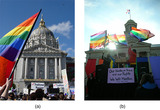
By the end of this section, you will be able to:Describe the efforts to reduce the influence of immigrants on American cultureDescribe the evolution of twenty-first-century American attitudes towards same-sex marriageExplain the clash over climate change
No restrictions on your remixing, redistributing, or making derivative works. Give credit to the author, as required.
Your remixing, redistributing, or making derivatives works comes with some restrictions, including how it is shared.
Your redistributing comes with some restrictions. Do not remix or make derivative works.
Most restrictive license type. Prohibits most uses, sharing, and any changes.
Copyrighted materials, available under Fair Use and the TEACH Act for US-based educators, or other custom arrangements. Go to the resource provider to see their individual restrictions.