Biology is designed for multi-semester biology courses for science majors. It is …
Biology is designed for multi-semester biology courses for science majors. It is grounded on an evolutionary basis and includes exciting features that highlight careers in the biological sciences and everyday applications of the concepts at hand. To meet the needs of today’s instructors and students, some content has been strategically condensed while maintaining the overall scope and coverage of traditional texts for this course. Instructors can customize the book, adapting it to the approach that works best in their classroom. Biology also includes an innovative art program that incorporates critical thinking and clicker questions to help students understand—and apply—key concepts.
By the end of this section, you will be able to:Explain how …
By the end of this section, you will be able to:Explain how electromagnetic waves differs from sound wavesTrace the path of light through the eye to the point of the optic nerveExplain tonic activity as it is manifested in photoreceptors in the retina
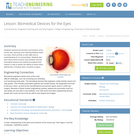
Students examine the structure and function of the human eye, learning some …
Students examine the structure and function of the human eye, learning some amazing features about our eyes, which provide us with sight and an understanding of our surroundings. Students also learn about some common eye problems and the biomedical devices and medical procedures that resolve or help to lessen the effects of these vision deficiencies, including vision correction surgery.
This course integrates studies of engineering sciences, reactor physics and safety assessment …
This course integrates studies of engineering sciences, reactor physics and safety assessment into nuclear power plant design. Topics include materials issues in plant design and operations, aspects of thermal design, fuel depletion and fission-product poisoning, and temperature effects on reactivity, safety considerations in regulations and operations, such as the evolution of the regulatory process, the concept of defense in depth, General Design Criteria, accident analysis, probabilistic risk assessment, and risk-informed regulations.
This lesson describes the function and components of the human nervous system. …
This lesson describes the function and components of the human nervous system. It helps students understand the purpose of our brain, spinal cord, nerves and the five senses. How the nervous system is affected during spaceflight is also discussed in this lesson.
Psychology is designed to meet scope and sequence requirements for the single-semester …
Psychology is designed to meet scope and sequence requirements for the single-semester introduction to psychology course. The book offers a comprehensive treatment of core concepts, grounded in both classic studies and current and emerging research. The text also includes coverage of the DSM-5 in examinations of psychological disorders. Psychology incorporates discussions that reflect the diversity within the discipline, as well as the diversity of cultures and communities across the globe.Senior Contributing AuthorsRose M. Spielman, Formerly of Quinnipiac UniversityContributing AuthorsKathryn Dumper, Bainbridge State CollegeWilliam Jenkins, Mercer UniversityArlene Lacombe, Saint Joseph's UniversityMarilyn Lovett, Livingstone CollegeMarion Perlmutter, University of Michigan
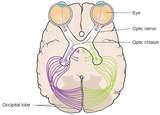
By the end of this section, you will be able to:Describe the …
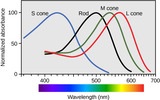
By the end of this section, you will be able to:Describe the basic anatomy of the visual systemDiscuss how rods and cones contribute to different aspects of visionDescribe how monocular and binocular cues are used in the perception of depth
No restrictions on your remixing, redistributing, or making derivative works. Give credit to the author, as required.
Your remixing, redistributing, or making derivatives works comes with some restrictions, including how it is shared.
Your redistributing comes with some restrictions. Do not remix or make derivative works.
Most restrictive license type. Prohibits most uses, sharing, and any changes.
Copyrighted materials, available under Fair Use and the TEACH Act for US-based educators, or other custom arrangements. Go to the resource provider to see their individual restrictions.