In this lesson, students use a guided reading to look at a …
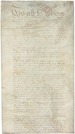
In this lesson, students use a guided reading to look at a report on the status of education in North Carolina in 1869, and discuss the reasons given then for why the Governor and Legislature should support educating North Carolina's children. They are provided an opportunity to compare and contrast the 1869 document against their own ideas about the civic duty to attend school through age sixteen, and its relative value to the state and the country.
Author: Daniel Shogan, Danville Museum of Fine Arts and History Students will learn …
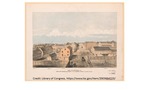
Author: Daniel Shogan, Danville Museum of Fine Arts and History Students will learn about the 1883 Massacre in Danville, Virginia as an example of racist mob violence against African Americans. Within the context of the massacre, they will be shown primary documents from the event. These documents will provide the students with not only a lens into the Danville of the nineteenth century, but also provide them with an opportunity to think critically about the biases present in some of the documents. After careful discussion of the events and outcomes of the massacre, the students will be given vocabulary worksheets that help to define and underline the most important elements of the narrative.
This course contains five projects that are organized around the following question: …
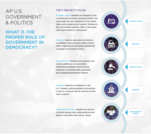
This course contains five projects that are organized around the following question: “What is the proper role of government in a democracy?” Each project involves political simulations through which students take on roles that help contextualize the content required by the new College Board course framework.
Founders' Intent Elections Supreme Court Congress Government in Action
Openly licensed PDF unit plans of all the above units are available at this Sprocket Lucas Education Research Platform (scroll to bottom of web page).
Alternately, educators may sign up for free access to the online AP U.S. Government and Politics course that includes additional instructional supports: https://sprocket.lucasedresearch.org/users/sprocket_access
In planning this history lesson, determine if you want to cover this …
In planning this history lesson, determine if you want to cover this material in one or two class periods. The lesson focuses on Abraham Lincoln as a man and as a leader during the Civil War. The reading paragraphs have pictures and Word Banks to help students grasp the main ideas of the lesson. This lesson covers more advanced vocabulary than beginners will know, but it is not critical that the students produce every new word. The goal is to engage the students in the topic and help them learn the general knowledge included in the test items. For example, in the paragraph on the Lincoln Memorial, the students do not need to retain the information about the construction and historical use of the memorial. These details are introduced in order to demonstrate that even years after his death, Americans still honor Lincoln’s leadership in significant ways. Covers civics test items 60, 72, 74, 75, and 100.
"Democracy in America" by Alexis de Tocqueville is one of the most …
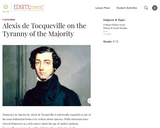
"Democracy in America" by Alexis de Tocqueville is one of the most influential books ever written about America. While historians have viewed "Democracy" as a rich source about the age of Andrew Jackson, Tocqueville was more of a political thinker than a historian. His "new political science" offers insights into the problematic issues faced by democratic society.
American Government is designed to meet the scope and sequence requirements of …
American Government is designed to meet the scope and sequence requirements of the single-semester American government course. This title includes innovative features designed to enhance student learning, including Insider Perspective features and a Get Connected Module that shows students how they can get engaged in the political process. The book provides an important opportunity for students to learn the core concepts of American government and understand how those concepts apply to their lives and the world around them. American Government includes updated information on the 2016 presidential election.
This resource was created by Sara Pittack, in collaboration with Lynn Bowder, …
This resource was created by Sara Pittack, in collaboration with Lynn Bowder, as part of ESU2's Mastering the Arts project. This project is a four year initiative focused on integrating arts into the core curriculum through teacher education and experiential learning.
This inquiry focuses on the defining themes of Andrew Jackson’s presidency. Students …
This inquiry focuses on the defining themes of Andrew Jackson’s presidency. Students will discuss Jacksonian Democracy, the War on the National Bank, and policy toward Native Americans. The questions, tasks, and sources in this inquiry ask students to explore primary sources from multiple perspectives to analyze whether Jackson was the hero or villain of the common man. Resource created by Abigail Huggins with Doniphan-Trumbull Public School as part of the Nebraska Social Studies Special Project 2022 - Inquiry Design Model (IDM).
In this Animating Civic Action lesson, from the Washington Office of Superintendent …
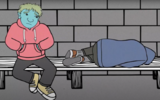
In this Animating Civic Action lesson, from the Washington Office of Superintendent of Public Instruction and Washington State Governor's Office of the Education Ombuds, students listen to the story of Jared, a student experiencing homelessness. Students are asked to examine what it means to be homeless, to identify how homelessness affects people and to and to consider ways they can act to take action against homelessness in their school community.
In this Animating Civic Action lesson, from the Washington Office of Superintendent …
In this Animating Civic Action lesson, from the Washington Office of Superintendent of Public Instruction, students listen to the story of Esther, a student refugee, about her experience in school. Students are asked to examine what it means to stereotype others, and to consider ways they can act to make their community more welcoming and inclusive.
In this Animating Civic Action lesson, from the Washington Office of Superintendent …
In this Animating Civic Action lesson, from the Washington Office of Superintendent of Public Instruction and Washington State Governor's Office of the Education Ombuds, students listen to the story of Jared, a student experiencing homelessness. Students are asked to examine what it means to be homeless, to identify how homelessness affects people and to and to consider ways they can act to take action against homeless n their school community.
Often throughout American history former refugees rise to be community leaders dedicating …
Often throughout American history former refugees rise to be community leaders dedicating their lives to helping others. Refugees often overcome key obstacles including language and culture to become important activists addressing social and political problems. Refugees offer key perspectives on the application of civic virtues and human rights. In this lesson students will hear from three refugee students about their experiences. Then, students will be asked to:Identify and describe obstacles student refugees encounter while assimilating at school.Identify reasons why refugees go on to develop a strong sense of civic duty and desire to give back to their communities. Research and identify ways they can take civic action to build a better community.
Students will build empathy to be “helpers” and make a difference in …
Students will build empathy to be “helpers” and make a difference in the lives of others through consideration of two questions: How can we listen effectively to better understand people’s stories, and how can we respond to and communicate effectively to peoples’ stories? Students will then propose opportunities to take action to improve our community response to support all students and their communities.
This is a full lesson plan that includes instructor script, PowerPoint slides, …
This is a full lesson plan that includes instructor script, PowerPoint slides, and student activities about the Articles of Confederation and the Continental Congress.
This lesson on Benjamin Franklin and the U.S. Constitution covers Civics Test …
This lesson on Benjamin Franklin and the U.S. Constitution covers Civics Test items from two sections: Principles of American Democracy and Colonial Period and Independence. It briefly introduces the branches of government, a topic which will be covered in more detail in separate lessons. We would recommend teaching the lessons on George Washington and Thomas Jefferson before introducing this lesson. The readings and pictures should help students understand the new concepts. As with previous lessons, the goal for the students is to comprehend and answer the Civics Test items correctly. Coveris civics test items 1, 2, 3, 12, 13, 14, 65, 66, 67, and 68.
This lesson explains the concept of amendments and the background of the …
This lesson explains the concept of amendments and the background of the Bill of Rights in relation to the Constitution. We recommend teaching the lesson on Benjamin Franklin and the U.S. Constitution prior to this one. This lesson covers details about the First Amendment and voting rights. Covers civics test items 4, 5, 6, 7, 10, 48, 50, 51, 54, and 66.
As educators, it's essential to cultivate informed and engaged citizens who can …
As educators, it's essential to cultivate informed and engaged citizens who can participate actively in the democratic process. Integrating civics education into the curriculum can help students develop critical thinking, problem-solving, and decision-making skills to prepare them for active citizenship. This professional learning activity will explore various ways to integrate civics education into the curriculum and provide resources to support effective instruction.
Designed as a core or supplementary text for upper elementary, middle and …
Designed as a core or supplementary text for upper elementary, middle and high school teachers and students, Building Democracy for All offers instructional ideas, interactive resources, multicultural content, and multimodal learning materials for interest-building explorations of United States government as well as students’ roles as citizens in a democratic society. It focuses on the importance of community engagement and social responsibility as understood and acted upon by middle and high school students—core themes in the 2018 Massachusetts 8th Grade Curriculum Framework, and which are found in many state history and social studies curriculum frameworks around the country.
This inquiry leads students through an investigation of the civics test, a …
This inquiry leads students through an investigation of the civics test, a current graduation requirement for Kentucky students, in order to consider the ways in which the test addresses needed knowledge and skills to prepare students for active engagement in civic life. The compelling question for the inquiry—can the civics test make you a good citizen?—frames students’ assessment of the civics test in consideration of what it means to be a “good citizen,” a purpose of the Kentucky civics test, as well as national initiatives to have similar civics test in all states, notably by the Joe Foss Institute.
No restrictions on your remixing, redistributing, or making derivative works. Give credit to the author, as required.
Your remixing, redistributing, or making derivatives works comes with some restrictions, including how it is shared.
Your redistributing comes with some restrictions. Do not remix or make derivative works.
Most restrictive license type. Prohibits most uses, sharing, and any changes.
Copyrighted materials, available under Fair Use and the TEACH Act for US-based educators, or other custom arrangements. Go to the resource provider to see their individual restrictions.