This course introduces students to a quantitative approach to studying the problems …
This course introduces students to a quantitative approach to studying the problems of physiological adaptation in altered environments, especially microgravity and partial gravity environments. The course curriculum starts with an Introduction and Selected Topics, which provides background information on the physiological problems associated with human space flight, as well as reviewing terminology and key engineering concepts. Then curriculum modules on Bone Mechanics, Muscle Mechanics, Musculoskeletal Dynamics and Control, and the Cardiovascular System are presented. These modules start out with qualitative and biological information regarding the system and its adaptation, and progresses to a quantitative endpoint in which engineering methods are used to analyze specific problems and countermeasures. Additional course curriculum focuses on interdisciplinary topics, suggestions include extravehicular activity and life support. The final module consists of student term project work.
You probably have a general understanding of how your body works. But …
You probably have a general understanding of how your body works. But do you fully comprehend how all of the intricate functions and systems of the human body work together to keep you healthy? This course will provide that insight. By approaching the study of the body in an organized way, you will be able to connect what you learn about anatomy and physiology to what you already know about your own body.
By taking this course, you will begin to think and speak in the language of the domain while integrating the knowledge you gain about anatomy to support explanations of physiological phenomenon. The course focuses on a few themes that, when taken together, provide a full view of what the human body is capable of and of the exciting processes going on inside of it.
Topics covered include: Structure and Function, Homeostasis, Levels of Organization, and Integration of Systems.
Anatomy and Physiology is a dynamic textbook for the two-semester human anatomy and …
Anatomy and Physiology is a dynamic textbook for the two-semester human anatomy and physiology course for life science and allied health majors. The book is organized by body system and covers standard scope and sequence requirements. Its lucid text, strategically constructed art, career features, and links to external learning tools address the critical teaching and learning challenges in the course. The web-based version of Anatomy and Physiology also features links to surgical videos, histology, and interactive diagrams.
In the Body System Amusement Parks project, students team up to create …
In the Body System Amusement Parks project, students team up to create amusement parks based on the various systems and organs within the human body. With the power of abstraction, each attraction represents the cardiovascular system, the muscular system, the digestive system, etc. Teams create both 3D scale models and presentations to an unnamed wealthy investment firm looking to build a new park in the students’ very own town. This activity was heavily inspired by a post from Danielle Dace.
In the Body System Amusement Parks project, students team up to create …
In the Body System Amusement Parks project, students team up to create amusement parks based on the various systems and organs within the human body. With the power of abstraction, each attraction represents the cardiovascular system, the muscular system, the digestive system, etc. Teams create both 3D scale models and presentations to an unnamed wealthy investment firm looking to build a new park in the students’ very own town. This activity was heavily inspired by a post from Danielle Dace.
In the Body System Amusement Parks project, students team up to create …
In the Body System Amusement Parks project, students team up to create amusement parks based on the various systems and organs within the human body. With the power of abstraction, each attraction represents the cardiovascular system, the muscular system, the digestive system, etc. Teams create both 3D scale models and presentations to an unnamed wealthy investment firm looking to build a new park in the students’ very own town. This activity was heavily inspired by a post from Danielle Dace.
In the Body System Amusement Parks project, students team up to create …
In the Body System Amusement Parks project, students team up to create amusement parks based on the various systems and organs within the human body. With the power of abstraction, each attraction represents the cardiovascular system, the muscular system, the digestive system, etc. Teams create both 3D scale models and presentations to an unnamed wealthy investment firm looking to build a new park in the students’ very own town. This activity was heavily inspired by a post from Danielle Dace.
In this Lesson I will cover the entire chapter on the Cardiovascular …
In this Lesson I will cover the entire chapter on the Cardiovascular System including:Introduction to the Cardiovascular SystemThe HeartBasic informationAnatomyHow blood flows through the heartThe Conduction SystemEKG'sBlood Pressure and PulseCommon Pathologies of the Cardiovascular SystemLabs and Diagnostic test for the Cardiovascular SystemAll types of Procedures for the Cardiovascular SystemMedications for the Cardiovascular SystemAbbrieviations for the Cardiovascular System
We continue our study of the cardiovascular system by examining the chambers …
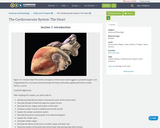
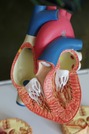
We continue our study of the cardiovascular system by examining the chambers of the heart.
The concepts covered in this video include: -Right Atrium -Right Ventricle -Left Atrium -Left Ventricle
Lesson 3 in our Cardiovascular System (Heart and Blood Vessels) series. This is part of our Anatomy and Physiology lecture series.
If this video helps you please be sure to LST -like subscribe and tell your friends. Your support helps us make more videos. For the complete series please visit http://mrfordsclass.net/
Heart and Blood Vessels Videos -Heart Fundamentals (14:01): http://youtu.be/Y335KJ-EuDw -Layers of the Heart (14:02): http://youtu.be/8PlwFTwJRMQ -Chambers in the Heart (14:03): http://youtu.be/SdNQtPzUfHg -Introduction to Blood Vessels (14:08): http://youtu.be/GVs8cd6jv94 -Types of Blood Vessels (14:09): http://youtu.be/_jkQR8v-bAg -Movement of Blood (14:11): http://youtu.be/x9dH5TpKntk
We take a look at the basic composition of blood. Blood is …
We take a look at the basic composition of blood. Blood is composed of liquids and solids. The solids are called the formed elements while the liquid portion is called plasma. The solids of the blood consists of red blood cells, white blood cells and platelets . The plasma is mostly water, but it does contain some plasma proteins, dissolved gases, nutrients and electrolytes.
Lesson 2 in our Cardiovascular System (Blood) series. This is part of our Anatomy and Physiology lecture series.
If this video helps you please be sure to LST -like subscribe and tell your friends. Your support helps us make more videos. For the complete series please visit http://mrfordsclass.net/
Heart and Blood Vessels Videos -Heart Fundamentals (14:01): http://youtu.be/Y335KJ-EuDw -Layers of the Heart (14:02): http://youtu.be/8PlwFTwJRMQ -Chambers in the Heart (14:03): http://youtu.be/SdNQtPzUfHg -Introduction to Blood Vessels (14:08): http://youtu.be/GVs8cd6jv94 -Types of Blood Vessels (14:09): http://youtu.be/_jkQR8v-bAg -Movement of Blood (14:11): http://youtu.be/x9dH5TpKntk
We begin our study of the cardiovascular system by going over some …
We begin our study of the cardiovascular system by going over some basics of the system as well as taking our first look at the heart.
The concepts covered in this video include: -Pulmonary Circuit -Systemic Circuit -Location of the heart -Surfaces of the heart: base apex, Inferior/Diaphragmatic, Anterior/Sternocostal, and Left/Pulmonary
Lesson 1 in our Cardiovascular System (Heart and Blood Vessels) series. This is part of our Anatomy and Physiology lecture series.
If this video helps you please be sure to LST -like subscribe and tell your friends. Your support helps us make more videos. For the complete series please visit http://mrfordsclass.net/
Heart and Blood Vessels Videos -Heart Fundamentals (14:01): http://youtu.be/Y335KJ-EuDw -Layers of the Heart (14:02): http://youtu.be/8PlwFTwJRMQ -Chambers in the Heart (14:03): http://youtu.be/SdNQtPzUfHg -Introduction to Blood Vessels (14:08): http://youtu.be/GVs8cd6jv94 -Types of Blood Vessels (14:09): http://youtu.be/_jkQR8v-bAg -Movement of Blood (14:11): http://youtu.be/x9dH5TpKntk
In this video take a look at hematopoiesis (haematopoiesis), or the creation …
In this video take a look at hematopoiesis (haematopoiesis), or the creation of blood. While we are still embryos the formation of blood can occur in multiple sites. After birth production primary takes place in red bone marrow.
All blood cells that are circulating derive from pluripotential hematopoietic cells also known as hematopoietic stem cells (HSCs). These stem cells can form any of the blood cells or other stem cells. Hematopoietic Growth Factor will help determine what the stem cell grows into.
There are three families that blood cells can grow up to become: 1) Erythroid cells, 2) Lymphocytes, and 3) Myelocytes.
Lesson 3 in our Cardiovascular System (Blood) series. This is part of our Anatomy and Physiology lecture series.
If this video helps you please be sure to LST -like subscribe and tell your friends. Your support helps us make more videos. For the complete series please visit http://mrfordsclass.net/
Heart and Blood Vessels Videos -Heart Fundamentals (14:01): http://youtu.be/Y335KJ-EuDw -Layers of the Heart (14:02): http://youtu.be/8PlwFTwJRMQ -Chambers in the Heart (14:03): http://youtu.be/SdNQtPzUfHg -Introduction to Blood Vessels (14:08): http://youtu.be/GVs8cd6jv94 -Types of Blood Vessels (14:09): http://youtu.be/_jkQR8v-bAg -Movement of Blood (14:11): http://youtu.be/x9dH5TpKntk
In this anatomy physiology video we take a look at the functions …
In this anatomy physiology video we take a look at the functions of blood and the general composition of blood.
Lesson 1 in our Cardiovascular System (Blood) series. This is part of our Anatomy and Physiology lecture series.
If this video helps you please be sure to LST -like subscribe and tell your friends. Your support helps us make more videos. For the complete series please visit http://mrfordsclass.net/
Heart and Blood Vessels Videos -Heart Fundamentals (14:01): http://youtu.be/Y335KJ-EuDw -Layers of the Heart (14:02): http://youtu.be/8PlwFTwJRMQ -Chambers in the Heart (14:03): http://youtu.be/SdNQtPzUfHg -Introduction to Blood Vessels (14:08): http://youtu.be/GVs8cd6jv94 -Types of Blood Vessels (14:09): http://youtu.be/_jkQR8v-bAg -Movement of Blood (14:11): http://youtu.be/x9dH5TpKntk
This video kicks off the blood vessels series. The concepts covered in …
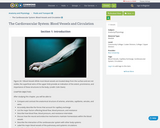
This video kicks off the blood vessels series. The concepts covered in this video include: -The functions of the cardiovascular system -The components of the cardiovascular system -The major divisions of the cardiovascular system: pulmonary circuit and systemic circuit
Lesson 8 in our Cardiovascular System (Heart and Blood Vessels) series. This is part of our Anatomy and Physiology lecture series.
If this video helps you please be sure to LST -like subscribe and tell your friends. Your support helps us make more videos. For the complete series please visit http://mrfordsclass.net/
Heart and Blood Vessels Videos -Heart Fundamentals (14:01): http://youtu.be/Y335KJ-EuDw -Layers of the Heart (14:02): http://youtu.be/8PlwFTwJRMQ -Chambers in the Heart (14:03): http://youtu.be/SdNQtPzUfHg -Introduction to Blood Vessels (14:08): http://youtu.be/GVs8cd6jv94 -Types of Blood Vessels (14:09): http://youtu.be/_jkQR8v-bAg -Movement of Blood (14:11): http://youtu.be/x9dH5TpKntk
We continue our study of the cardiovascular system by diving through the …
We continue our study of the cardiovascular system by diving through the layers of the heart.
The concepts covered in this video include: -Layers of the heart -Fibrous Pericardium -Serous Pericardium-Parietal Layer -Pericardial Cavity -Visceral Layer/Epicardium -Myocardium -Endocardium
Lesson 2 in our Cardiovascular System (Heart and Blood Vessels) series. This is part of our Anatomy and Physiology lecture series.
If this video helps you please be sure to LST -like subscribe and tell your friends. Your support helps us make more videos. For the complete series please visit http://mrfordsclass.net/
Heart and Blood Vessels Videos -Heart Fundamentals (14:01): http://youtu.be/Y335KJ-EuDw -Layers of the Heart (14:02): http://youtu.be/8PlwFTwJRMQ -Chambers in the Heart (14:03): http://youtu.be/SdNQtPzUfHg -Introduction to Blood Vessels (14:08): http://youtu.be/GVs8cd6jv94 -Types of Blood Vessels (14:09): http://youtu.be/_jkQR8v-bAg -Movement of Blood (14:11): http://youtu.be/x9dH5TpKntk
This videos looks at the three principles the control the functions of …
This videos looks at the three principles the control the functions of the cardiovascular system. We also look at blood flow, heart actions, blood volume, resistance to flow, blood viscosity and the hematocrit.
All of our videos can be found at http://www.mrfordsclass.net
The concepts covered in this video include: -Blood flow -Heart actions -Blood volume -Resistance to flow -Blood viscosity -Hematocrit
Lesson 11 in our Cardiovascular System (Heart and Blood Vessels) series. This is part of our Anatomy and Physiology lecture series.
If this video helps you please be sure to LST -like subscribe and tell your friends. Your support helps us make more videos. For the complete series please visit http://mrfordsclass.net/
Heart and Blood Vessels Videos -Heart Fundamentals (14:01): http://youtu.be/Y335KJ-EuDw -Layers of the Heart (14:02): http://youtu.be/8PlwFTwJRMQ -Chambers in the Heart (14:03): http://youtu.be/SdNQtPzUfHg -Introduction to Blood Vessels (14:08): http://youtu.be/GVs8cd6jv94 -Types of Blood Vessels (14:09): http://youtu.be/_jkQR8v-bAg -Movement of Blood (14:11): http://youtu.be/x9dH5TpKntk
No restrictions on your remixing, redistributing, or making derivative works. Give credit to the author, as required.
Your remixing, redistributing, or making derivatives works comes with some restrictions, including how it is shared.
Your redistributing comes with some restrictions. Do not remix or make derivative works.
Most restrictive license type. Prohibits most uses, sharing, and any changes.
Copyrighted materials, available under Fair Use and the TEACH Act for US-based educators, or other custom arrangements. Go to the resource provider to see their individual restrictions.