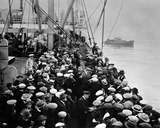
In this unit, students will take a look at the historical vision of the American Dream as put together by our Founding Fathers. They will be asked: How, if at all, has this dream changed? Is this dream your dream? First students will participate in an American Dream Convention, acting as a particular historical figure arguing for his or her vision of the American Dream, and then they will write an argument laying out and defending their personal view of what the American Dream should be.
ACCOMPLISHMENTS
Students read and annotate closely one of the documents that they feel expresses the American Dream.
Students participate in an American Dream Convention, acting as a particular historical figure arguing his or her vision of the American Dream.
Students write a paper, taking into consideration the different points of view in the documents read, answering the question “What is the American Dream now?”
Students write their own argument describing and defending their vision of what the American Dream should be.
GUIDING QUESTIONS
These questions are a guide to stimulate thinking, discussion, and writing on the themes and ideas in the unit. For complete and thoughtful answers and for meaningful discussions, students must use evidence based on careful reading of the texts.
What has been the historical vision of the American Dream?
What should the American Dream be? (What should we as individuals and as a nation aspire to?)
How would women, former slaves, and other disenfranchised groups living during the time these documents were written respond to them?
BENCHMARK ASSESSMENT: Cold Read
During this unit, on a day of your choosing, we recommend you administer a Cold Read to assess students’ reading comprehension. For this assessment, students read a text they have never seen before and then respond to multiple-choice and constructed-response questions. The assessment is not included in this course materials.